Noelle Swan

Archive for 2013|Yearly archive page

Horseshoe crab spawning: Take the kids on an after-bedtime adventure

In Marine Ecology, Science Education, Wildlife and Ecology on May 20, 2013 at 10:43 am

This article first was published as a guest post on The Christian Science Monitor blog Modern Parenthood on May 20, 2013.

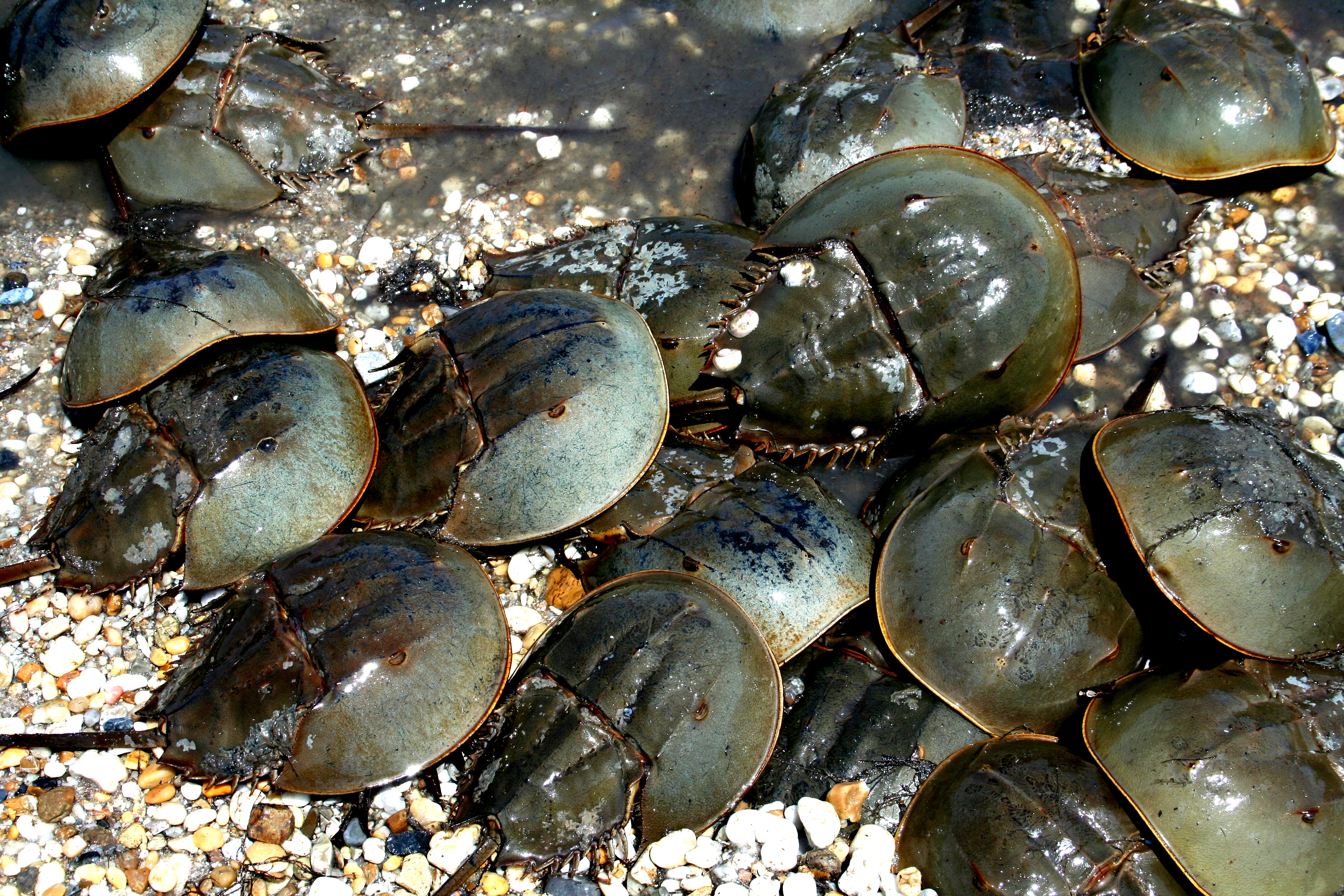
Photo credit: Wikimedia commons author Hayden

Photo credit: Wikimedia commons author Hayden

Every year, ancient sea creatures resembling miniature armored tanks invade East Coast beaches with one mission — lay and fertilize as many eggs as possible before disappearing back into the sea.

For three nights, curious onlookers will have the opportunity to witness one of the oldest mating rituals in the world as scores of horseshoe crabs scuttle up onto the shores of Delaware BayCape Cod, and the coastal beaches along the East Coast.

The horseshoe crab, officially known by its scientific name, Limulus polyphemus, has been making annual pilgrimages out of the sea for hundreds of millions of years. Most wait for the full and new moons of late May and June to perform their mating dance.

This year marine biologists expect that the biggest horseshoe crowds will emerge on May 24, June 9, and June 23.

While some horseshoe crabs come ashore during the day, the majority will wait for the cover of night. Then, scores of them will emerge from the sea to begin their moonlit dance on the beach. The females will come first, many with males already in tow in search of a bit of sand to lay their eggs. The females are considerably bigger than males to accommodate the thousands of eggs beneath each helmet-like shell. The females dig nests in the sand before they drop off their young and return to the water. The males pace back and forth over the nests, fertilizing as many eggs as they can before they too return to the cool shallows of the water.

For families interested in gaining a front row seat to the show, Delaware Bay is the world’s largest spawning ground, but they have been spotted up and down the east coast. Citizen scientists can report sightings online to the Ecological Research and Development Group. InDelaware and New Jersey, volunteers can help count the horseshoe crabs as part of a survey during the several weekends this spring and summer. Some horseshoe crabs have already been tagged as part of monitoring projects conducted by the US Fish and Wildlife Service. If you come across a horseshoe crab with a circular or square white tag attached to the corner of the shell, make note of the number on the tag and report it to the US Fish and Wildlife Services online or by calling 1-888-LIMULUS.

Not really a crab at all, Limulus polyphemus is actually an arthropod and is more closely related to scorpions and spiders than any crab.

Limulus is a favorite species for marine biologists and teachers to share with children. The helmet-shaped shells, or carapaces, that protect them from predatory birds in the wild also make them hardy enough to thrive in aquarium touch tanks. While their blade-like tails may look menacing, they serve solely as a rudder for steering in the sand and helping the horseshoe crabs to right themselves should they become overturned by the tide.

Observant beachgoers may come across the discarded shells of horseshoe crabs that have outgrown their carapace and molted. These ghostlike shells can be great fun for kids to explore.

For families that cannot get to the shore, there are many non-fiction books for children describing these prehistoric creatures. Children’s book author Ruth Horowitz offers some moonlit magic in “Crab Moon”, a picture book illustrated by Kate Keisler and recognized by the National Science Teachers Association as an outstanding science trade book.

How Do Environmental Regulations Affect the Economy? Experts Describe a Nuanced Picture

In Science Policy on May 17, 2013 at 5:39 pm

This article was first published by AAAS.com on May 13, 2013.

Environmental EconomicsMisconceptions about the effect of environmental regulations on the economy and jobs are complicating federal efforts to create sound environmental policies, according to panelists at the 38th Annual AAAS Forum on Science and Technology Policy.

The polarized debate over regulations pits environmentalists against economists and does little to help lawmakers and the public understand environmental policy, the experts said during a panel discussion.

“This is an issue that has been a defining part of the debate over existing as well as potential future regulation,” said William Pizer, associate professor at Duke University’s Sanford School of Public Policy and faculty fellow at the Nicholas Institute for Environmental Policy Solutions.

Pizer took issue with the popular belief that the creation of the U.S. Environmental Protection Agency (EPA) in 1970 caused the modern-day decline in American manufacturing jobs. He noted that the biggest job losses occurred in the 2000s, long after the huge body of EPA regulations was issued in the 1970s and ’80s.

The reality of the relationship between EPA regulation and jobs is far more complex and varied by locality, and requires detailed statistical analysis, Pizer said.

Yet, the effects surely can be felt. Pizer cited a study that blamed U.S. environmental regulation for a roughly 10 percent increase in imported goods from Mexico and Canada in the ’90s and 2000s.

Other studies have found even larger effects at the local county level. During the first 15 years following the implementation of the Clean Air Act, an estimated half-million jobs shifted from counties with plants that were out of compliance with air quality standards, into neighboring counties where plants met the standards and were not subject to additional costs or penalties, he said.

On the macroeconomic level, however, those negative effects of environmental regulation have been relatively small, compared to the total 8 million jobs lost from 1977 to 1986.

However, public discussion of environmental regulations remains tinged with the fear that such regulations require the sacrifice of American jobs, said Cary Coglianese, the Edward B. Shills Professor of Law and a professor of political science at the University of Pennsylvania, where he directs the Penn Program on Regulation.

“It’s almost as if you can’t hear the phrase environmental regulation today without the phrase ‘job-killing’ in front of it,” he said.

Local stories of plant closings and job losses don’t accurately reflect the relatively low nationwide net employment impact associated with environmental regulations compared other economic drivers of unemployment, said Coglianese. Yet, those poignant personal stories affect public opinion and ultimately federal policymaking decisions.

Coglianese said the political process gives greater attention to the negative effects of regulation, even though regulation also delivers benefits to society.

“There are definite winners from environmental regulation, and those winners can go to work and be more productive in addition to being healthier and living longer because of regulations,” Coglianese said.

“Yet the winners often are not identifiable nor as vocal in the political process as those who suffer job losses or other negative effects from regulation,” he said.

While Pizer agreed that environmental regulation comes with enormous benefits, he cautioned that projected benefits should be scrutinized alongside costs.

“There are some people out there who argue that by regulating you can inspire innovation that can lower costs and increase efficiencies. In actuality, in most settings, it’s unlikely you are going to find a bunch of $20 bills on the floor,” Pizer said. “[Regulations] are costly, and those costs need to be scrutinized.”

Weighing the costs and benefits of environmental regulation can be difficult given how polarized the interpretations can be, he cautioned.

Liberals and conservatives each calibrate the issue differently, said Richard Morgenstern, senior fellow at Resources for the Future, a nonpartisan thinktank that researches the economic and social impacts of environmental and natural resource policy.

The policies of Presidents Clinton and Obama have emphasized environmental and health benefits, while President George W. Bush focused on regulatory costs, according to Morgenstern’s analysis of regulatory impact reports from all three administrations. Morgenstern and the other panelists stressed that environmental costs and benefits are more intertwined.

“The take away for me is that there is an economic cost to environmental regulation, even though some people in the past have tried to paint it as a free lunch. However, generally those costs have been small and they have been associated with significant human benefits,” said Pizer.

Getting to the Guts of Autism

In Healthcare on May 6, 2013 at 7:42 pm

This article first was published by WDDE.org. the online arm of Delaware’s NPR News Station, on April 29, 2013.

autismTo roughly two million Americans struggling with autism, chronic stomach problems have long been just another side effect. Now, it looks like the issues in their guts could actually be aggravating—or even triggering—their symptoms of autism.

A new arm of autism research has begun to explore the possibility that problems in the gut microbiome—an entire ecosystem of bacteria residing within the digestive tract that is responsible for extracting energy from food—could actually play a role in exacerbating or even causing behaviors and symptoms associated with autism.

While researchers from a variety of disciplines around the world are turning their attention to the stomach, University of Delaware Professor of Chemical and Biomolecular Engineering Prasad Dhurjati is helping to put their work into context.

Read the full story archived from WDDE.org.

Beyond the Numbers: The Lure of the Family Farm

In Food Security on April 30, 2013 at 1:46 pm

This article was first published by Seedstock.com on April 30, 2013.

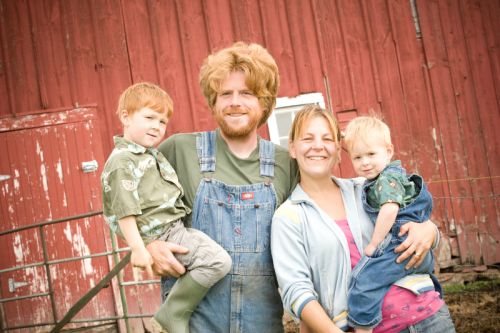
The Reinitz Family of East Henderson Farm.

The Reinitz Family of East Henderson Farm.

The family farmer is making a comeback with a starring role in the new American dream.

In recent years, the number of individual farms in the United States has increased for the first time since World War II, according to the 2007 Agricultural Census, the most recent data compiled by the USDA. A new wave of beginning family farmers have headed back to the fields, driven by a desire to connect with the land, frustration with the industrialized food system, and high unemployment rates.

The majority of new farms are very small, earning less than $10,000 per year. They tend to be run by younger farmers, two thirds of whom rely on off-farm work to supplement farm income, the census revealed. As with any new business venture, it can take several years to begin to turn a profit. Even then, margins are slim and risks are high. These are not exactly favorable investment conditions.

However, despite massive barriers to entry, a high level of risk, and the promise of an uncertain financial future, something is drawing new farmers to the field.

For some, like Marty Travis of The Spence Farm in Livingston County, Illinois, farming offers something else, a chance to experience “purposeful living and purposeful work.” Rather than pursue the conventional model of petroleum-based monocropping, he and his wife Kris have joined a growing movement that seeks to reconnect consumers with the land through local, sustainable, diversified farming.

Like many of today’s beginning farmers, the Travises got their start as part-time farmers, cultivating just a single acre of their farmstead. Today the couple and their son Will work 50 of the farm’s total 160 acres, raising American Guinea Hogs, growing Iroquois White Corn, tapping maple syrup, and harvesting wild paw paws.

When the Travises planted their first acre in 2004, they knew very little about the business of farming, even though The Spence Farm had been in Travis’ family for eight generations. His parents had never worked the land themselves, opting to lease much of the property to tenant farmers. That meant that like many of today’s beginning farmers, the Travises did not have generations of family farming knowledge and industry relationships to tap into for their own farm business.

During much of American farming history, knowledge passed down almost exclusively from father to son. However, in the last half-century, many farmers’ children have opted to head for cities and suburbs rather than carry on the family farm. Many of today’s younger generation of farmers striking out a new path like the Travises have encountered a steep learning curve associated with each crop and every animal.

Likewise, the business of farming comes with its own series of trials and pitfalls, right from the start.

Many would-be farmers find themselves stuck at the beginning, unable to access land or credit, explained Jennifer Fahy, a spokesperson for Farm Aid, the annual benefit concert turned family farmer advocacy organization started by musician activists, Willie Nelson, Neil Young, and John Mellencamp.

Fahy has seen a dramatic increase in interest in small farming, which she attributes to the local food movement and rise in popularity of farmers markets and CSAs. “There is so much interest in folks getting in touch with the roots of their food and so they are inevitably getting interested in farming themselves,” she said.

However, the business plan of diversified farmers like the Travises can be unfamiliar to bankers in charge of start-up loans, Fahy said. Farm Aid helps to connect farmers to alternative funding resources such as new microloans for beginning farmers from the USDA’s Farm Service Agency.

Similarly, access to available, uncontaminated, and affordable land can be a serious challenge for new farmers, Fahy said. She relayed the story of one Massachusetts farmer profiled on the Farm Aid website who resorted to borrowing multiple plots of gardens in several different communities because she could not find a single parcel of land for sale.

Lindsey Lusher Shute of Clermont, New York can relate. After farming two separate parcels of rented land in the Hudson River Valley for six years, she and her husband Ben realized that they needed to find land that they could secure for the long term if they were going to maintain careers as farmers. The couple looked for land to buy but found that “there was no room for a long-term farmer to find land.” They grasped for a community organization to help them with the process. Finding none, they teamed up with another local farmer struggling with land issues and formed the National Young Farmer Coalition to connect young and beginning farmers in 2010.

The Shutes are not the only beginning farmers starting to organize. “It turned out that this idea of young farmers and beginning farmers needing each other and needing to cooperate and work together and find a way to succeed together was happening nationally,” Shute said. Several regional young farmer organizations popped up at the same time as NYFC and have since joined as regional chapters.

Back in Illinois, the Travises established their own community network and reached out to other farmers to create a community network of small farmers that could learn from each other.

“There used to be the infrastructure where folks did work together, but as we quit growing food and went to more conventional corn and soybean crops everyone ended up on their own,” Travis said.

He and his wife began reestablishing those community connections as fledgling farmers. Just one year after starting their own venture, the Travises established a foundation, which organizes workshops on the business of farming, farm machinery options and sustainable practices. They formed a network of 25 farmers to collectively negotiate wholesale contracts and insurance.

However, even with supportive farming networks, farming will always be a risky business. Farms don’t come with 401K packages, sick-time, or even health insurance. Risk is embedded into every aspect of the operation. Crops fail, livestock get sick, and machinery breaks. Even though the market for locally grown produce continues to expand, many local farmers still struggle to eek out a living.

A recent story on National Public Radio’s All Things Considered declared, “Local food may feel good, but it doesn’t pay.” The program highlighted several local farmers in Illinois, who said they constantly struggle to make ends meet, despite the local food boom. One farmer talked about supporting two people on less than $30,000 per year. A flurry of comments on various social media sites declared the financial challenges depicted in the piece to be “a familiar story.” However, others suggested that the kind of success many local farmers seek cannot be encapsulated in a salary.

For the Reinitz family, of East Henderson Farm in the Minnesota River Valley, success has meant becoming self-sustainable. They don’t need a large income because they produce much of what they need on the farm. That was a tough sell for some of their friends and family members who saw savings accounts and retirement plans as evidence of financial security, explained Sally Reinitz. “At first I think people were kind of hesitant to be too excited for us,” she said. Some thought the farm would be a quick little adventure that would soon end. It took several years for others to recognize that their farm was a “real business.”

The Travises, Shutes, and Reinitzes version of success is more abstract than profits. In the words of Sally Reinitz, “I feel that we are successful if we can leave something for our children, not just the farm, but the seed to be better stewards of the land.

Retired Scientists Return to Elementary Classrooms

In Science Education on April 26, 2013 at 2:02 pm

This article was first published in Science Magazine on April 26, 2013: Vol. 340 no. 6131 pp. 446-447.

Donald Rea and Ron McKnight

Donald Rea and Ron McKnight

After earning a Ph.D. in atomic physics and spending nearly 20 years managing a U.S. Department of Energy plasma physics program, Ronald McKnight has returned to the seventh grade.

McKnight is one of 70 retired scientists, engineers, and physicians heading back to the classroom in Maryland and Virginia through the Senior Scientists and Engineers (SSE) volunteer program sponsored by AAAS.

SSE first started sending Ph.D.s like McKnight into public school classrooms in 2005, as an extension of its mission to give senior scientists opportunities to continue contributing to society after retirement.

Retired Jet Propulsion Laboratory chemist and current coordinator of the SSE volunteer program Donald Rea is now encouraging fellow retirees to establish similar programs around the country.

Rea has presented the SSE model, which is based on two earlier programs started in the 1990s, at various science and education conferences, including the International Teacher-Scientist Partnership Conference (ITSPC) in Boston this February and the American Chemical Society National Meeting in New Orleans this April.”

“Many of our members are concerned about the state of K-12 STEM education, and this is an opportunity for them to make a meaningful contribution,” said Rea. “We are very eager to encourage communities elsewhere around the country to start up their own programs like ours.”

According to Shirley Malcom, director of AAAS Education and Human Resources (EHR) and former co-chair of the National Science Board Commission on 21st Century Education in STEM, the most efficient way to boost STEM education is to connect teachers and students with real science and real-life scientists.

To this end, retired scientists are “an untapped source of talent and potential,” according to Malcom.

In an effort to foster these relationships, EHR joined forces with the University of California, San Francisco Science & Education Partnership to host 400 teachers and scientists at the ITSPC during the 2013 AAAS Annual Meeting.

Program organizers invited Rea to share the success of SSE with teachers and scientists from all over the world. During a panel discussion, Rea stressed that volunteer training is the key to a successful program.

“Generally, what goes on in the classroom is very different from when [volunteers] went to school,” he said.

SSE volunteers attend a daylong training where they learn from experienced volunteers and the school district’s science supervisors, who advise them on matters such as fostering discussion and inquiry rather than lecturing, and leaving discipline to the teacher.

In the classroom, volunteers can answer questions during small group activities, help to troubleshoot failed experiments, and give teachers license to step out from behind the teacher’s edition of their textbooks.

The results are undeniable, Rea told the panel audience. Teachers eagerly sign up to participate year after year, volunteers report a great deal of personal satisfaction, and the students reap the rewards.

Citizen science: How families can contribute to real science

In Science Education on April 4, 2013 at 1:20 pm

This article first was published as a guest post on The Christian Science Monitor blog Modern Parenthood on April 4, 2013.

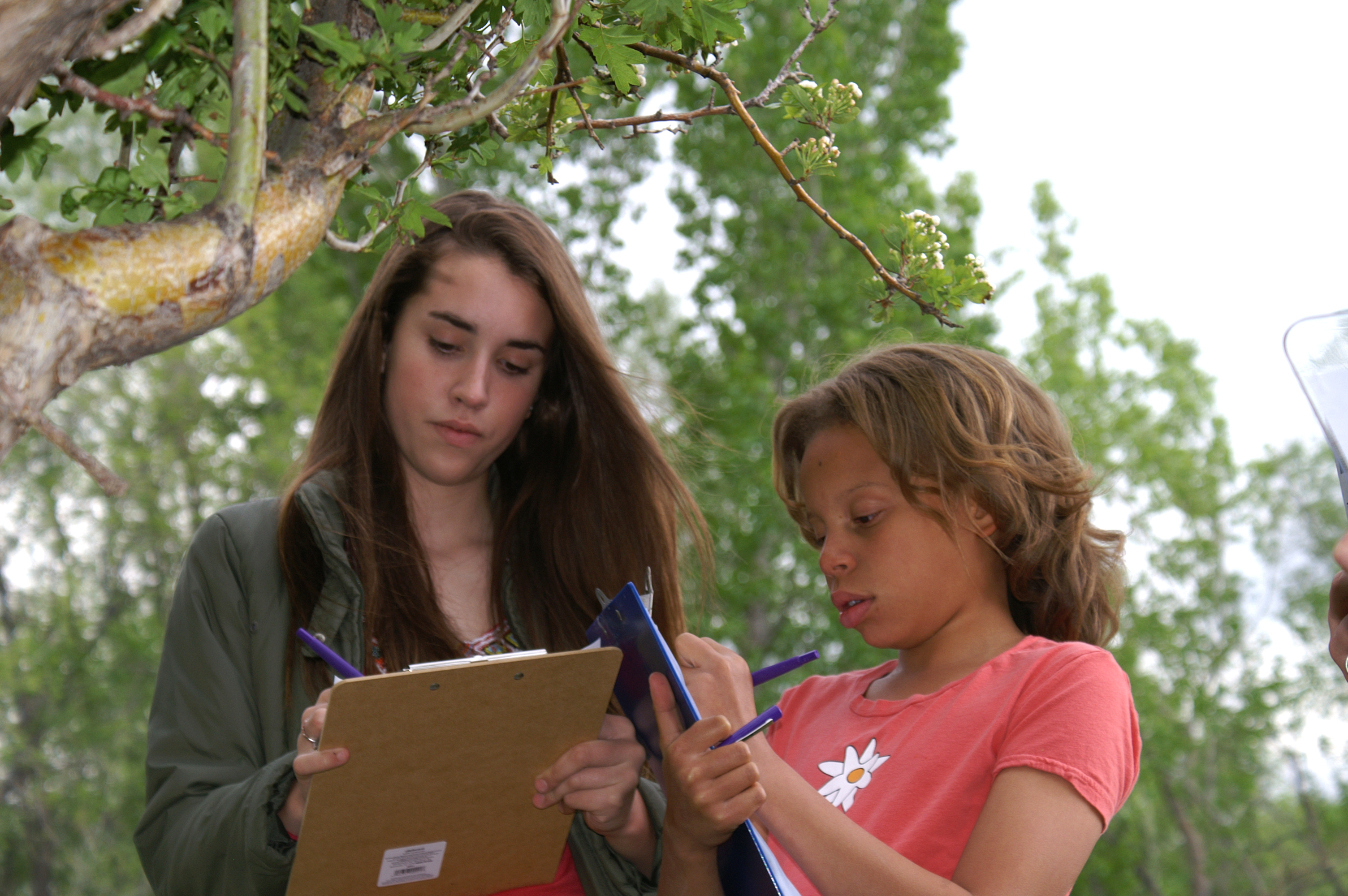
Credit: Dennis Ward, Project Budburst, National Ecological Observatory Network

Credit: Dennis Ward, Project Budburst, National Ecological Observatory Network

What do early radar images of hurricanes, handwritten ship logs, and backyard rain gauges all have in common? More than you might think.

Each of these types of meteorological records represents one small piece of our global climate history. They all hold clues as to how our climate might be (or might not be) changing. And each one offers an opportunity for average citizens of all ages to make meaningful contributions to science.

For many kids, science class means slogging through textbooks, memorizing the discoveries of others, and performing pretested experiments that come with preconceived answers. On the other hand, citizen science projects can offer kids the chance to not just study science but also actually participate in and make a real contribution to science outside the constraints of the classroom.

Citizen science is certainly not new. The Audubon Society has called on amateur birders to conduct its annual Christmas Bird Count since 1900. For centuries, backyard astronomers have recorded their observations of the night sky, helping astronomers map the galaxy.

Today, many scientists are calling on everyday citizens to help understand the scientific issue of the century, global climate change.

When trying to develop a solid picture of the current climate, climatologists have to look at not just large weather patterns, but at individual microclimates. As the old saying goes, “Rain doesn’t fall the same on all.” Farmers and skiers can testify that hail and snow do not either. Piecing together detailed precipitation maps takes an extensive array of data, far beyond the existing weather monitoring infrastructure. So, rain networks around the country have turned to everyday citizens, families, and classrooms to collect and report rainfall measurements.

The Community Collaborative Rain, Hail and Snow Network, (CoCoRaHS) coordinates local volunteer groups in every state and parts of Canada with sponsorship from the National Oceanographic and Atmospheric Administration (NOAA) and the National Science Foundation (NSF).

CoCoRaHS participants commit to spending a few minutes each day recording measurements taken from rain gauges, or plastic cylinders used for measuring inches of rainfall, placed outside their homes. Volunteers later upload their data to the CoCoRaHS website. The tasks are simple enough that even children can participate with minimal adult assistance.

In the process, kids get practical experience that reinforces several concepts taught in science class, including taking precise volumetric measurements, following consistent protocols, and organizing data.

Unraveling climate change requires not just an understanding of what is happening right now, but also of historic climate data. Fortunately, citizen scientists have collected weather statistics for centuries. However, much of that information must first be teased out of some unlikely places.

Researchers at Boston University recently plotted observations made in flower journals by Henry David Thoreau, the famed existentialist writer, philosopher, and naturalist, against temperature records to reveal the correlation between the onset of spring and bloom time. The researchers published their findings in the scientific journal PLOS One earlier this year.

Not all of these kinds of records are as manageable.

The British Royal Navy holds extensive daily records that date back to the middle of the 19th century. These detailed logs include wind speed, temperature, barometric pressure, and wave height around the world and across two centuries. Researchers atOldWeather.org have acquired millions of pages of handwritten logs and need help processing them.

This data holds valuable information about oceanic and arctic weather patterns. However, before climatologists can properly analyze these records, someone has to transcribe them into a digital format that computer modeling programs can read.

That’s where everyday citizen scientists can help.

Volunteers can sign up with OldWeather.org and pour through scanned images of ship logs. Since the site’s initial launch in 2010, citizen scientists have helped to transcribe over 20,000 log pages, an impressive number but still only 14 percent of the pages waiting to be recorded.

To help break up the tedium of data transcription, OldWeather.org has made the project something of a game. Volunteers can join a specific vessel, focusing on logs from a particular journey. Volunteers sign on at the rank of cadet. As they complete additional pages, they earn promotions. The volunteer who completes the most pages for that vessel becomes the captain of the ship. Those who continue with the project consistently soon find additional rewards hidden within the logs.

Sailors recorded much more than weather data in these log books. As volunteers sift through several pages, stories begin to emerge. Some logs detail the effects of the Spanish flu. Others talk about new pathways opening up in the Arctic as ice formations changed. Many detail happenings of the ship’s daily life, from reprimands for drunken sailors, to the tragic loss of a ship’s chocolate stores that were swept overboard. For kids and adults, these kind of stories help bring history to life.

These are just a couple of the many projects searching for citizen scientists. Meteorologists at the Cyclone Center need volunteers to help classify early infrared and satellite images of hurricanes in order to help understand if current storms are more intense than historic storms. Biologists at Nature’s Notebook need amateur naturalists to submit observations of phonological data, such as first leaf out, bloom time, bird migration, and insect emergence. Many more projects can be found on the Citizen Science Alliance website.

Busy parents struggle to promote active lifestyle at home

In Healthcare on March 22, 2013 at 2:46 pm

This article first was published by WDDE.org, the online arm of Delaware’s NPR News Station, on March 22, 2013.

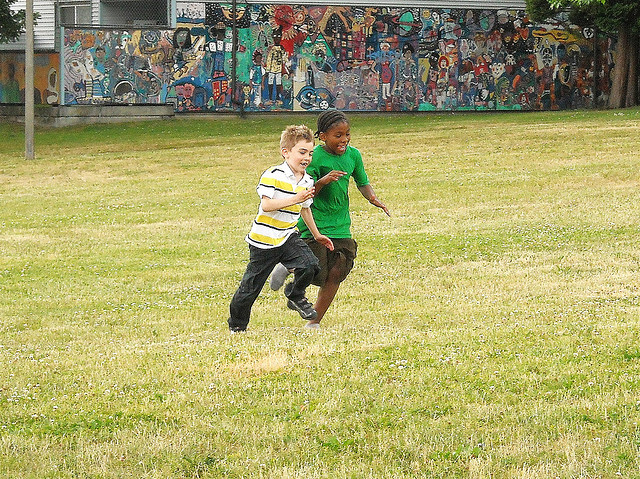
Photo credit: Kristen Wall, KWDesigns

Photo credit: Kristen Wall, KWDesigns

Not so long ago, the hours between the ringing of the last school bell and the flickering of the first streetlight were filled with peals of laughter and children’s shouts. Kids careened around the block with playing cards humming in the spokes of bicycle tires, claimed driveways for pickup games of basketball, and otherwise ran themselves ragged.

Today, many suburban neighborhoods remain quiet from 3 to 6 pm, as more kids have retreated indoors.

Whether lured inside by the Internet and video games, or told to stay inside while parents are at work, many kids today are no longer getting much exercise during these late afternoon hours. At the same time, many schools have reduced physical education requirements and scaled back recess time.

Most parents believe physical activity is an important component of their children’s health, and a significant number worry that their children are not getting enough exercise.

Read the full story on WDDE.org.

Utah Plays Key Role in Autism Genetics Research

In Healthcare on March 6, 2013 at 11:14 am

A version of this story entitled Families Dealing with Autism Navigate the Unknown was first published by ExploreUtahScience.com on January 17, 2013.

Photo Credit: Heather Cannon

Photo Credit: Heather Cannon

Heather Cannon of Murray, Utah, has three boys on the autism spectrum. Her eight-year-old son Neil started showing signs of extreme distress at just one month old. During his first Christmas, she recalls him shrieking as if in pain at the sound of family members unwrapping presents. He still has difficulty coping with sensory stimulation, becomes easily distracted and overwhelmed by loud noises, strong odors, and scratchy tags in clothing.

Today, Cannon describes Neil as “twice exceptional,” a term referring to children who are intellectually gifted and suffer from a disability. He learned the alphabet by 18 months, could differentiate between Mozart and Vivaldi at two years old, and was reading by three.

At five-years-old, Neil was officially diagnosed with Asperger Syndrome, a designation of a higher functioning autism spectrum disorder that has been used in recent decades but will be soon folded under the umbrella diagnosis of autism. By the time Neil was diagnosed, Cannon’s twin boys, Evan and Dylan, now six, were toddlers and displaying symptoms of their own. Soon, a young adult cousin confided that he also had Asperger Syndrome and Cannon began to suspect that other members of her extended family might also be on the spectrum.

As the incidence of autism spectrum disorders has skyrocketed in the past decade, researchers have turned to potentially high-risk families like Cannon’s in hopes of linking genetic factors to autism.

The Center for Disease Control and Prevention estimates that the number of children diagnosed with Autism Spectrum Disorders (ASD) has increased by 78 percent since 2007.

In Utah, the findings are even more staggering. CDC estimates indicate that ASD occurs at a rate of 1 in 47 in Utah compared to the rate of 1 in 88 seen nationwide.

Utah’s high prevalence rate, cultural emphasis on family history, and dedicated research facilities make the state an ideal place to explore autism genetics research.

Bill McMahon, Director of the University of Utah Department of Psychiatry, has studied autism in Utah for more than 25 years. He says that while he has also seen a dramatic increase in the number of children and adults presenting with autism symptoms in recent decades, he cautions that the latest Utah numbers from the CDC come from a small sample size with a broad margin of error.

He adds that some of the increase can likely be attributed to broadened diagnostic criteria, which now include a wide spectrum of disorders and an increased incentive to diagnose early with the discovery of successful early intervention treatments.

However, he suspects that genetic and environmental factors may also be contributing to the increase in prevalence.

“We are looking as hard as we can look for potential genetic and environmental factors that may contribute to it,” says McMahon, “We have collected the world’s biggest pedigrees, [lineage charts that include genetic relationships and medical histories,] with numbers of people with autism in them.”

Utah has long been a major repository for genealogical information. Members of the Church of Latter Day Saints have catalogued their family trees since the days of the Mormon pioneers. In the 1970’s a University of Utah geneticist, cardiologist, and demographer began weaving information from the LDS Church, the Salt Lake City library, and statewide death and cancer records together into the Utah Population Database (UPDB) in hopes of beginning to understand the role of genetics in cancer development.

Today the database holds records of 7 million Utahns dating back to 1904. In some cases, the family history goes back 12 generations. UPDB is participating in 160 different research projects, including suicide, inflammatory bowel disease, longevity, obesity, heart disease, and autism.

However, because autism is a relatively new diagnosis, tracing back to historical occurrences is not as simple as checking hospital records.

When one Utah mother, Carmen Pingree learned her son was autistic in the early 1980’s, she started talking with her family and just like Cannon, soon realized that autism-like symptoms had occurred several times in her father’s mother’s family line, though only her son and nephew had received a diagnosis.

She began to wonder if autism could be hereditary, but realized that the data to study that didn’t exist. “You could go back and say, ‘My aunt had cancer,’ but you couldn’t do that with autism,” Pingree said.  The family could speculate but adult members of the family had never been assessed for autism.

With cooperation from the department of social services, the special education programs in the public schools, and residential programs, Pingree tracked down 400 individuals who exhibited autism-like symptoms and were willing to submit to comprehensive testing at the university. Then she poured through family histories scrawling names on index cards and paper clipping families together.

Today, researchers are still using those pedigrees to try to identify the causes of autism. Hilary Coon, also a professor of psychiatry at the University of Utah is now working to confirm and expand them. She is matching them to data from the UPDB and hopes that having such extensive records can help identify genetic factors involved in disease.

“If you get a family that looks like it has a high occurrence of some disorder and they share DNA, then it’s possible that there is a genetic mutation that leads to susceptibility that they are sharing,” Coon said.

However, the genetics of autism promises to be complex.

While dozens of chromosomal mutations have been linked to autism, no single duplication or deletion explains all cases of a particular symptom or even manifests the same way in all individuals, Coon says. For instance, duplications in chromosomes 15 and 16 have been connected to autism, however Coon has not found any evidence of those particular mutations in the Utah pedigrees.

Hundreds of genetic factors likely contribute to autism susceptibility, and even among related individuals, there can be completely different genetic mutations causing similar symptoms, says Coon.

Coon speculates that symptoms could be the result of multiple genetic factors working together. For instance, a genetic marker appearing to indicate a predisposition might need an additional catalyst, perhaps an exposure to an illness in utero or in infancy, to produce symptoms.

Coon hopes that expanding the autism pedigrees to include medical history information gathered from the population database and additional surveys might help to reveal how risk factors influence and compound each other. Some of the questions Coon and her colleagues are asking are whether there are differences in the way neurons of autism patients’ function, if their immune response is different somehow, or if affected individuals or mothers were exposed to specific environmental events. However, answering these questions will likely take years if not decades.

That’s of little consolation to families like the Cannons dealing with autism everyday.

The biggest challenge both for families and researchers trying to understand autism seems to be that autism manifests differently in different people and can affect each individual in multiple ways.

That is certainly the case for Cannon’s three boys. Compared to Neil’s screaming and aggressive behavior, the twin’s seemed to be developing on target, she says. In time, it became clear however, that Dylan’s head banging and obsessive conversation rituals and Evan’s insatiable need for physical stimulation were also symptoms of autism.

“Our kids are impacted in so many different ways,” Cannon said. “People think of [autism] in terms of a mental issue, but it’s systemic, affecting gastrointestinal systems, vision, social skills, and behavior. Now my oldest may have Ehlers-Danlos syndrome, [a connective tissue disorder that frequently co-occurs with autism,]” Cannon said.

Autism is often associated with hampered social skills. Individuals on the autism spectrum struggle to develop social skills that others take for granted. Things like making eye contact, interpreting body language, and navigating the flow of conversation do not come intuitively to many people on the spectrum. However, individuals on the spectrum frequently suffer from a myriad of physical symptoms as well.

Nearly half of children diagnosed with autism disorders also suffer from digestive problems, which can affect behavior, ability to focus, and sleep patterns. For kids like Neil, that are extremely sensitive to touch and physical sensations, abdominal pain can lead to outbursts. Cannon says that she and her husband have learned over the years, that if Neil starts to become aggressive it’s likely because his stomach hurts.

Many individuals on the autism spectrum suffer from additional disorders, such as Ehlers-Danlos syndrome, that further complicate their symptoms and ability to function.

Another approach some scientists are taking is to develop diagnostic tests to identify disorders that seem to occur frequently among individuals on the spectrum as well as additional genetic risk factors.

Michael Paul, President and CEO of Utah-based diagnostics company Lineagen, says his company has been able to use genetic research derived from the University of Utah and other autism research facilities to help families pinpoint additional disorders that might be complicating symptoms relating to autism.

Paul says that the test is indicated for children who already have a diagnosis of autism and can be taken in the child’s doctor’s office with a simple swab inside the cheek. A partner laboratory extracts the DNA which scientists at Lineagen test with a chromosomal microarray, a silicon chip covered in millions of strands of synthetically produced DNA. The patient’s DNA bonds with those strands and attracts varying shades of fluorescent tags. A powerful laser senses those tags, which are used to construct a map of the genome. Scientists analyze these maps and interpret the results for families.

The hope is that those results can help families address symptoms better, says Lineagen senior manager Chuck Hensel. One of the first patients to receive the test turned out to have an additional disorder separate from the autism diagnosis, known as Angelman Syndrome, a neuro-genetic disorder affecting development, speech, balance, and intellectual capacity, Hensel says. The child had been participating in speech therapy for a long time, as is indicated for autistic children struggling with communication, but showed little progress, as is typical of children with Angelman Syndrome, he explained.

“Children with Angelman Syndrome rarely learn to speak,” Hensel said. “Rather than spending all that time and money for that child to be in speech therapy, the family could focus about alternative communication therapies.” Paul says that mother later called him up in tears, thanking Lineagen for changing her life.

However, not all findings are as definitive, Paul says. “We do see markers for which the clinical knowledge isn’t as well developed as others.” Genetic counselors help families to put results into this context.

Lineagen scientist Karen Ho explains that she and her colleagues monitor new genetic research constantly and inform the patients’ clinicians as studies come out that might shed light on markers identified during testing. For instance, scientists recently linked a previously unexplained chromosomal deletion to a four-fold increased risk for glaucoma. “We were able to contact those patients’ doctors and suggest that their eye health be monitored closely,” Ho said.

Paul, Hensel, and Ho all emphasize that the overall information available is still quite preliminary and Lineagen does not aim to diagnose autism. “We are not in the business of predicting, we are in the business of explaining,” Hensel said.

Other researchers and companies are working develop diagnostic tests for autism. Researchers at Children’s Hospital Boston just published a study in the journal PLOS ONE detailing a diagnostic test for autism. Study authors told Time Magazine that the test currently has an accuracy rate of 70%, but still produces too many false positives. Massachusetts-based diagnostic company SynapDx plans to begin clinical trials using the test early in 2013.

In Utah, Coon and McMahon will continue to forge ahead analyzing the Utah pedigrees. Scientists at Lineagen will look for ways to use that information to help families. Families like the Cannons will take one day at a time.
Leap to the Top in Science Class

In Science Education on February 15, 2013 at 11:26 am


American Association for the Advancement of Science

AAAS 2013 Annual Meeting News
Noelle Swan


teaching scienceOften, in the daily grind of slogging through a difficult science class, students see fully formed scientists and their discoveries as a distant blur. Remote men and women somehow make advanced science happen.
New efforts aim to bring students face to face with creative, imaginative scientists right in their classroom.

With a lifetime of scientific contributions at their back, many retired scientists, engineers, and physicians are returning to school, not as pupils or as instructors, but as classroom volunteers in public elementary, middle, and high schools.

This week over 400 teachers and scientists gathered in Boston for the first International Teacher-Scientist Partnership Conference, organized by AAAS Education and Human Resources and the University of California, San Francisco Science & Health Education Partnership, sponsored by the National Science Foundation. Presenters are scheduled to share a range of partnership models over three days, from scientists generating digital education tools, to teachers participating in research.

Throughout the first day of the conference, the conversation turned to the idea of bringing scientists into the classroom to work directly with the students.

Virginia Shepherd from Vanderbilt University shared a comprehensive analysis of the university’s nearly 20-year-old Graduate STEM Fellows in K-12 Education program. Presentation attendees duly applauded the success of the program but said that they had trouble establishing similar programs in their state for lack of funding.

A handful of organizations represented at the conference have found that an affordable way to bring scientists into the classroom is to recruit retired scientists.

Volunteers at Northeastern University’s Retirees Enhancing Science Education through Experiments and Demonstrations program, or RE-SEED, spend at least one day a week in an elementary, middle, or high school classroom in Massachusetts helping students conduct experiments as part of the existing curriculum.

“Retired scientists and engineers have a lot of experience from a lifetime of working in laboratories. They can make what the students are learning relevant,” said Christos Zahopoulos, a professor of education and engineering at Northeastern University.

Since founding RE-SEED in 1991, Zahopoulos has helped to start similar programs in 15 states, conducting on-site trainings for volunteers. While such programs start out strong, many of them have since faded, with only a handful remaining, he said.

Even though retirees are offering a free service to the schools, getting them trained and placed takes a certain amount of funding, Zahopoulos says. He has been fortunate to fund RE-SEED with private donations. Many programs were not so lucky.

AAAS’ Senior Scientists and Engineers (SSE), a service-oriented organization for retired scientists and engineers, has managed to sustain a similar program for seven years. In 2005, Zahopoulos helped SSE establish its own volunteer program.

Donald Rea, a former research chemist for NASA’s Jet Propulsion Laboratory and SSE volunteer coordinator for Virginia, hopes that helping to reinforce science education will enhance the public understanding of science in years to come.

“If you want to have an influence on science literacy, you want to get [kids] while they are young. So we work in classrooms as young as second grade,” Rea said.

This kind of investment takes many years to fully mature. So, how do Rea and Zahopoulos measure success? They look to their teachers, volunteers, and students.

Rea said he measures success by the eagerness of schools and teachers to participate year after year.

For Zahopoulos, hints of success sometimes come in the mail. He says one student wrote in to RE-SEED upon graduating from high school, several years after any contact with a RE-SEED volunteer, to say that she had decided to major in biology and had enrolled in a pre-medicine program.

Both Rea and Zahopoulos said they have been amazed at the dedication and eagerness of volunteers.

“When we first started, we asked volunteers to commit to one day a week for one year. Now we have volunteers who have been with us for 18 years and some volunteer as many as 4 times per week,” Zahopoulos said.

Ron McKnight, a former Department of Energy physicists and SSE volunteer has recently taken on the task of coordinating volunteers living in Montgomery County, Md. He still volunteers in middle school science classrooms and is considering taking on another assignment.

When asked what he loves about volunteering, he replied, “Whenever a kid I’m working with asks a really good question, that’s when I have a really good day.”

Violence halts UD researcher’s snow leopard project in its tracks

In Wildlife and Ecology on February 11, 2013 at 5:42 pm

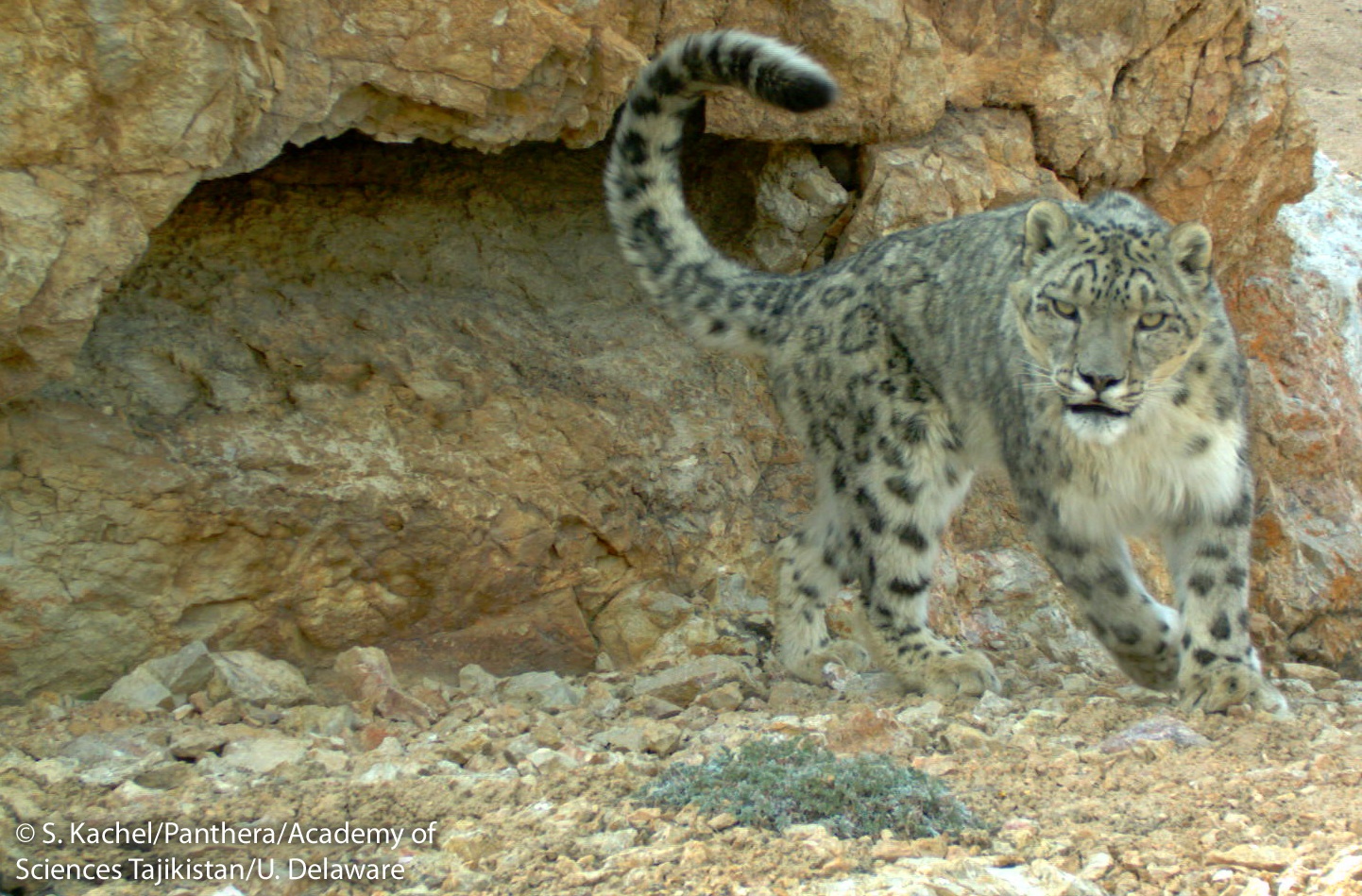
Snow leopardWhen University of Delaware graduate student Shannon Kachel headed to Tajikistan last summer in search of the endangered snow leopard, he was prepared to contend with rugged terrain, high altitudes, and even possibly Afghan drug and weapons smugglers. However, he did not expect to have to take shelter in a bathtub while government troops swept through the streets and mortar shells streaked by his hostel window.

Kachel was in bed when machine gun fire erupted outside his window.

“I rolled off of the bed and onto the floor then belly-crawled over to the bathtub. I spent 13 hours huddling there with shrapnel and bullets flying through windows, buildings burning, and tanks rolling through the streets below,” he said.

The UD wildlife ecology major had come to Tajikistan two months earlier as part of a research project funded by the University of Delaware and Panthera, an international wildcat conservation organization. He aimed to piece together a rough census of snow leopards, mountainous wildcats known for their gray-white fur and black rosette markings, and to explore the effect of human hunting of hoofed animals, or ungulates, on the predatory cats.

Visit WDDE.org to continue reading.